In the face of natural disasters such as earthquakes, ensuring the structural safety of buildings and infrastructure is of utmost importance. One crucial tool in achieving this is the implementation of a seismic bracing system. This system plays a vital role in reducing the risk of damage and collapse during seismic events, safeguarding both lives and property.
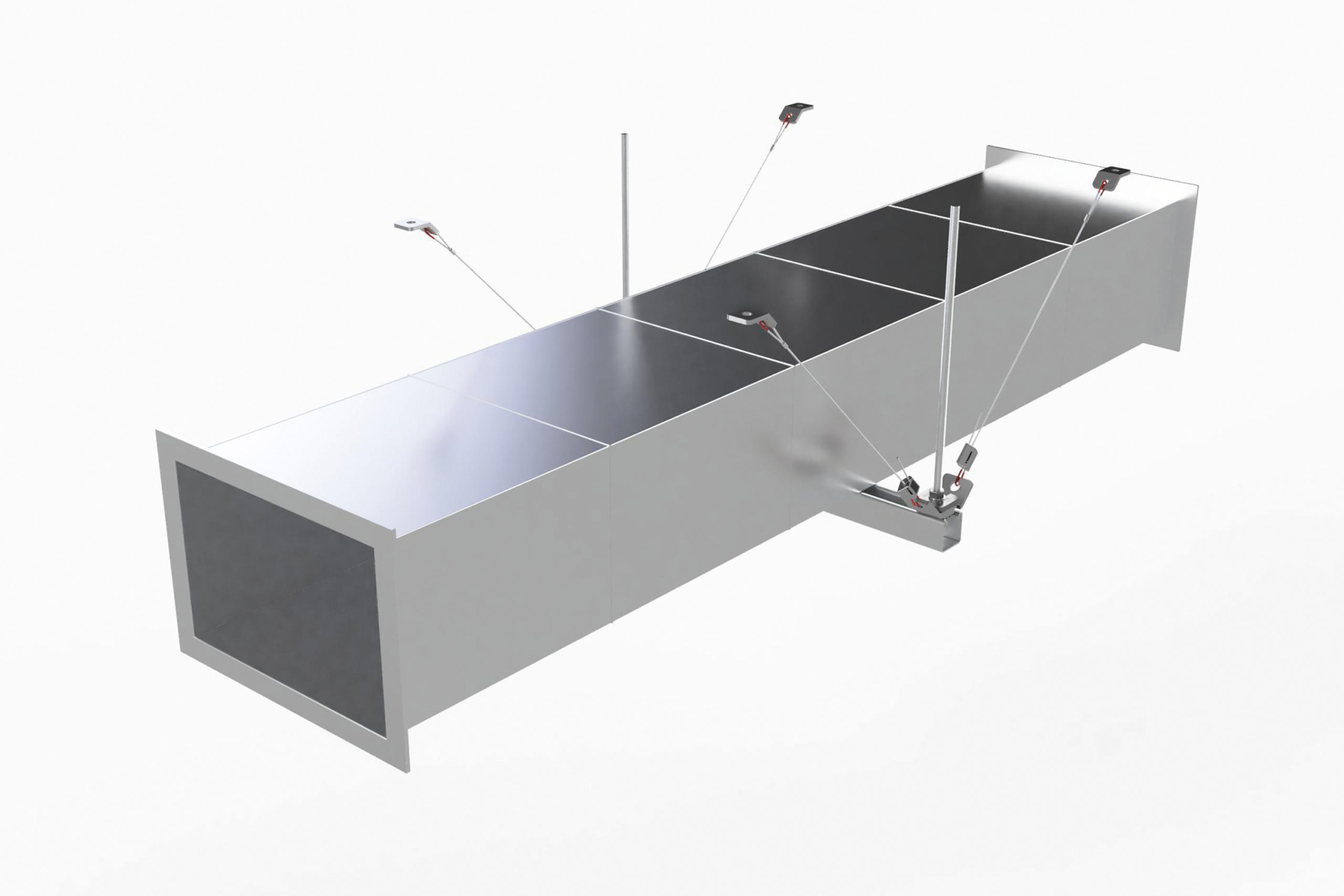
A seismic bracing system is designed to minimize the impact of lateral forces exerted on a building or structure during an earthquake. These lateral forces can cause significant damage by pushing and pulling on the building in different directions, leading to structural failure. The primary purpose of a seismic bracing system is to enhance the building’s ability to withstand these forces and maintain its integrity.
There are several components that make up a seismic bracing system, each playing a specific role in securing the building. One of the most common elements is the use of braces or struts that are strategically placed throughout the structure to provide additional support. These braces help to distribute the seismic forces evenly, reducing the stress on the building’s main structural elements.
Another crucial component of a seismic bracing system is the installation of base isolators. These devices allow the building to move freely during an earthquake, reducing the transfer of seismic forces to the structure. By isolating the building from the ground motion, base isolators help to minimize damage and protect the occupants inside.
In addition to braces and base isolators, other elements such as damping systems and shear walls can also be incorporated into a seismic bracing system to enhance its effectiveness. Damping systems help absorb and dissipate the energy generated by seismic forces, reducing the overall impact on the building. Shear walls, on the other hand, provide lateral stability and resistance, further strengthening the structure against seismic events.
The implementation of a seismic bracing system is not only essential for new construction but also for existing buildings that may not have been designed to withstand earthquakes. Retrofitting older structures with a seismic bracing system can significantly improve their resilience and reduce the risk of collapse during a seismic event. This is particularly important in regions that are prone to earthquakes, where the safety of buildings and infrastructure is of utmost concern.
Apart from enhancing structural safety, seismic bracing systems also offer peace of mind to building occupants and the surrounding community. By ensuring that buildings are equipped to withstand seismic events, the system helps to minimize the risk of injuries and fatalities. This is especially crucial in densely populated urban areas where the collapse of a single building can have devastating consequences.
In conclusion, seismic bracing systems play a critical role in safeguarding buildings and infrastructure against the destructive forces of earthquakes. By incorporating elements such as braces, base isolators, damping systems, and shear walls, these systems help to enhance a building’s ability to withstand lateral forces and maintain its structural integrity. Whether for new construction or retrofitting existing buildings, implementing a seismic bracing system is an essential step towards ensuring the safety and resilience of structures in earthquake-prone regions.